

Most people will agree that having a baby is one of the most exciting things in a woman’s life. But the psychological path after having a baby may be both more nuanced and different than what most assume. Some mothers are, of course, used to temporary changes in their mood and emotions so can overcome them easily without issue whereas others experience a bigger weight on their shoulders leading onto a longer emotional journey. This is where knowing the difference between postpartum blues vs. depression becomes so crucial.
A lot of women just sweep their emotions under the rug post-delivery, telling themselves that it is “normal” to feel overwhelmed all day long. Some emotional changes are normal after giving birth but going feeling sad, hopeless or emotionally drained may be serious enough to need medical help.
At https://psychiatrymumbai.in/ , Dr. Amulya Shetty Provides Informed And Empathic Care For Women Battling Postpartum Mental HealthIssues As one of the best psychiatry specialists in Mumbai, Dr Amulya Shetty restores emotional stability in mothers through tailored psychiatric intervention and counselling.
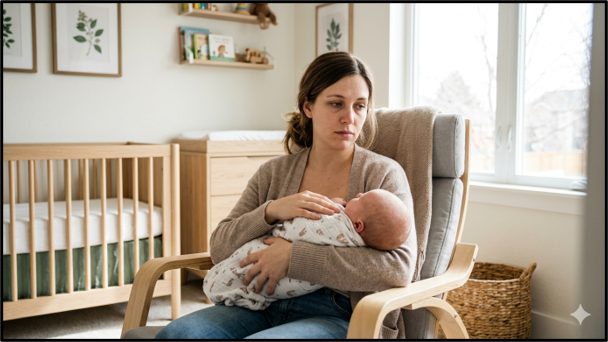
What Are Postpartum Blues?
Postpartum blues is a mild form of emotional disturbances which may occur days to weeks after childbirth. They are very common and usually start during the first few days after birth.
Mothers Who Is Experiencing The Baby Blues May Feel:
● Mood swings
● Irritability
● Crying spells
● Anxiety
● Emotional sensitivity
● Fatigue
● Difficulty sleeping
Generally, these feelings are temporary and resolve in one to two weeks under natural conditions without serious medical intervention.
Postpartum blues can be worsened by the swings of hormones, fatigue, disturbed sleep, or just the actual responsibility of bringing a new life into this world. In spite of the emotional exhaustion that symptoms can cause however, they rarely leave you incapable of your day to day functioning.
Having clarity on postpartum blues vs postpartum depression is of utmost importance for the reason that so many women mistake both as one and what they do not realize is, postpartum depression is a far more serious condition.
What Is Postpartum Depression?
Postpartum depression is a serious mental health problem that can arise in women after childbirth. The diagnosis is characterized by more severe and persistent symptoms than in postpartum blues, which also prevents a mother from functioning or caring for herself or her baby.
Postpartum depression can strike nearly one in five women within the year after childbirth, according to research.
Common postpartum depression symptoms include:
● Persistent sadness
● Feelings of hopelessness
● Extreme fatigue
● Loss of interest in activities
● Difficulty bonding with the baby
● Excessive guilt
● Anxiety or panic attacks
● Changes in appetite
● Sleep disturbances
● Withdrawal from family and friends
● Ideas of self-harm or harming the baby
Postpartum depression symptoms last longer than the baby blues which appear for a few days. Untreated, they could last for weeks or months.
Postpartum Blues vs Postpartum Depression – Key Differences
Although both impact the mental health of new parents during postpartum, they differ immensely in severity, duration and effect.
Duration
The postpartum blues are not in themselves a real mental illness and commonly only last days to two weeks. Depression after giving birth can last a few months or longer without treatment.
Severity
The symptoms of baby blues are typically mild and easily administered. The symptoms of postpartum depression are severe and can interfere much more in one’s day-to-day life.
Emotional Impact
Women with postpartum blues however can still feel some joy and emotional connection. Now these feelings of emptiness, hopelessness and emotional numbness are more long-lasting.
Need for Treatment
In general, postpartum blues improve spontaneously with good emotional support and rest. Treatment for postpartum depression is more often involved; including a psychiatric assessment, therapy, counselling and lifestyle or even medication changes.
The postpartum blues vs. postpartum depression difference is critical because if not treated promptly, it may have lasting effects on the mother as well as adversely affect the child psychologically.
Why Does Postpartum Depression Happen?
Post-partum depression is a medical condition, it is caused due to many emotional, biological, and environmental conditions. These may include:
● Sudden hormonal changes after childbirth
● Past history of depression or anxiety
● Sleep deprivation
● Physical recovery from delivery
● Lack of emotional support
● Stressful life events
● Financial or relationship stress
● Fear of motherhood responsibilities
Studies also indicate the role that emotional and partner support during pregnancy and after childbirth in reducing the intensity of postpartum mental health disorders.
Too many women withhold from asking for help, driven by guilt and shame, or fear of judgement. This could mean mothers feel pressured to be perceived as happy all the time-this is why open conversations about postpartum mental health do not happen.
At What Point Should You Get Professional Help?
Please seek professional help if:
The symptoms lasted for more than a period of two weeks ago.
● Sadness becomes overwhelming
● You hardly form an attachment with your baby
● Anxiety becomes severe
● Daily tasks feel impossible
● You experience panic attacks
● You have ideas of hurting yourself or the baby
There is a good chance recovery will come with early intervention. Not just emotional health issues but neglecting postpartum depression symptoms can lead to increased stress on the family.

Dr Amulya Shetty’s Clinic provides women with an empathetic environment free of stigma and judgment. The clinic emphasises healing emotional wellness using the approach of therapy, counselling and assisted medical treatment as required.
Postpartum Depression Treatment
The treatment of postpartum depression depends on the severity of symptoms and what someone needs emotionally.
Treatment may include:
Psychiatric Evaluation
This depth of assessment allows an appreciation for emotional triggers, factors in a lifestyle that might be at fault and severity of symptoms.
Therapy and Counselling
Cognitive Behavioural Therapy and supportive counselling may allow mothers to process emotions, mitigate anxiety, and regain confidence.
Medication
In cases of moderate to severe PTSD, medications under guidance from a psychiatrist may be indicated.
Lifestyle Changes
A healthy routine with sleep, nutrition, exercise and emotional support systems are crucial when it comes to recovery.
Family Support
The healing will greatly be improved by family presence and emotional assurance.
The treatment you get from Dr. Amulya is a methodology that employs emotional support and scientific psychiatric methods to aid in long-term mental wellness.
How Families Can Support New Mothers
How Families Can Help Mums With Postpartum Mental Health Issues Never underestimate the power of just emotional support.
So how can families help?
● Encourage open conversations
● Avoid judgment or criticism
● Help with baby care responsibilities
● Get Mother rest
● Monitor Postpartum Depression Symptoms for Worsening
● Encourage professional help when needed
And so many women heal better when they feel emotionally validated.
More from Breaking the Stigma Around Postpartum Mental Health
Stigma is one of the largest challenges associated with postpartum mental health. Mothers are supposed to have this blissful joy when their baby is born and it can be very hard for women to admit they are not coping emotionally.
Lets hit the raw truth here, to feel emotionally down after having a baby does not make you a bad mum. Postpartum depression is an illness, not a character defect.
Raising awareness of the differences between postpartum blues and postpartum depression can lead to earlier diagnosis and better psychosocial outcomes for mothers and families.
Final Thoughts
Every new parent and family member must understand postpartum blues vs postpartum depression. Eventually, baby blues symptoms fade and are generally relatively mild but postpartum depression can deeply impact emotional Well-Being and if ignored can have long-term effects on behaviours both emotionally and physically.
Getting help early helps eliminate long term avoidable emotional suffering. The use of professional help in forms of therapy, emotional well care and an understanding family can help mothers heal and restore their confidence when it comes to motherhood.
Should you or someone you know are grappling with postpartum mental health challenges, speaking to a trusted professional can be the first step towards recovery.
Among the leading psychiatrists in Mumbai, Dr. Amulya Shetty at Psychiatry Mumbai is known for compassionate and personalized care of mental disorders. Maheen’s clinic provides a safe place in which women can express their feelings and initiate the process of recovery with confidence and respect.