
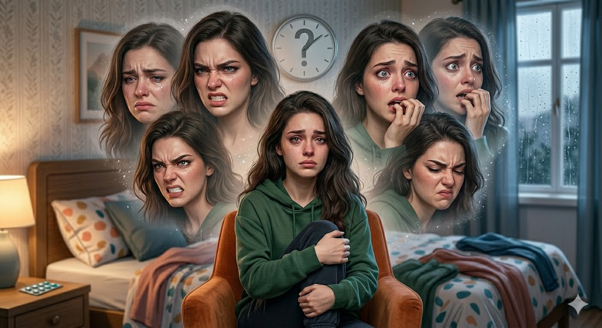
Most women have emotional fluctuations before their periods but in some, these changes arms extreme, upheaval and are unmanageable. If you experience severe irritability, sadness, anger, anxiety and emotional outbursts every month in the lead-up to menstruation it could also be a sign of Premenstrual Dysphoric Disorder aka PMDD. PMDD is different from the normal premenstrual syndrome as it can severely impact relationships, job productivity, social engagement and mental health.
When you dig into the intersection of hormones, brain chemistry, and emotions one can see why PMDD mood swings become so pronounced and acute. However, going to a few therapy sessions ahead of time can help women restore emotional stability and living better by all accounts.
Dr. Amulya Shetty, one of the best psychiatrists in Mumbai, offers evidence-based consultation for women who experience debilitating recurrent premenstrual emotional symptoms and mental health problems from time to time.
What is PMDD
Premenstrual Dysphoric Disorder (PMDD) is an extreme version of premenstrual syndrome that primarily influences emotional and driving mental well being. Symptoms typically start at the luteal phase of the menstrual cycle, which is approximately one to two weeks ahead of menses, and alleviate after menses begins.
Women with PMDD often experience:
● Severe sadness or hopelessness
● Sudden crying spells
● Anger and irritability
● Anxiety or panic feelings
● Fatigue and low motivation
● Difficulty concentrating
● Sleep disturbances
● Feeling emotionally overwhelmed
● Relationship conflicts
● Emotional sensitivity
These symptoms are much more severe than regular PMS and can greatly disrupt day to day functioning. The prominent symptom for many women includes a near off the charts PMDD mood swing that feels electric, uncontrollable and really exhausting.
What Dopamine and Mood Swings Have to Do With PMDD
The direct cause of this PMDD is not definitively known but scientists suspect that the way a person’s body responds to normal hormonal changes throughout their monthly cycle may play a role.
Estrogen and progesterone are hormones that fluctuate before periods. These hormonal changes are thought to alter brain chemicals related to mood, particularly serotonin in women with PMDD. Which makes an intense emotional response and PMS mood swings.
Studies also indicate that PMDD is associated with disruption in emotional regulation and altered brain activity related to mood processing.
1. Hormonal Sensitivity
In women who suffer from PMDD, there are not unique hormones that directly cause it to occur. What their brains actually are, is more tuned into the variations of hormones. Normal monthly hormonal fluctuations can usually lead to emotional suffering, irritability, or sadness.
This hormonal sensitivity tends to result in:
● Sudden emotional reactions
● Crying without a clear reason
● Feeling emotionally unstable
● Anger over minor situations
● Intense frustration
It is just what makes PMDD mood swings feel so dreadful and unpredictable.
Hormonal Anxiety: The Connection between PMDD and Hormones
Severe anxiety before their menstruation (as seen in PMDD) is stable with many women. This is generally known as hormonal anxiousness, since modifications to your hormones can induce emotions of nervousness alongside manifestations like restlessness, racing ideas and panic feelings in addition to excessive ranges of normalised stress.
Hormonal anxiety may include:
● Fear without a clear cause
● Feeling constantly on edge
● Increased sensitivity to stress
● Panic attacks
● Social withdrawal
● Physical tension
The hormones that accompany anxiety can also exacerbate some mood swings. There are women who feel fine for 90% of the month and then go through a phase, at their period or just before it, where they experience severe high anxiety and emotional distress.
Emotional Imbalance and PMDD
Emotional imbalance I have written about multiple times is another major reason for severe emotional symptoms. Neurotransmitters in the brain, particularly serotonin (an important regulator of emotion), are affected by shifts in hormones.
If serotonin levels rise, women may sometimes:
Emotional instability
Irritability
Mood crashes
Low frustration tolerance
Depression-like symptoms
Increased emotional sensitivity
When you feel emotionally imbalanced, every situation in life can feel like an emotional work out. During the PMDD phase, a small argument, some work pressure or minor level of inconvenience can trigger severe reactions.
And in fact, women often describe PMDD mood swings as feeling like a different person for several days, every month.
Common PMDD Symptoms
It is important to identify PMDD early because many women suffer in silence from what they believe are just doomed-to-fail hormones without realizing that there is something at all wrong.
Common PMDD symptoms include:
Emotional Symptoms
● Severe mood swings
● Anger and irritability
● Anxiety
● Depression
● Hopelessness
● Emotional sensitivity
● Crying spells
Cognitive Symptoms
● Poor concentration
● Brain fog
● Forgetfulness
● Feeling mentally exhausted
Physical Symptoms
● Fatigue
● Headaches
● Breast tenderness
● Sleep disturbances
● Appetite changes
● Bloating
Behavioural Symptoms
● Social withdrawal
● Relationship conflicts
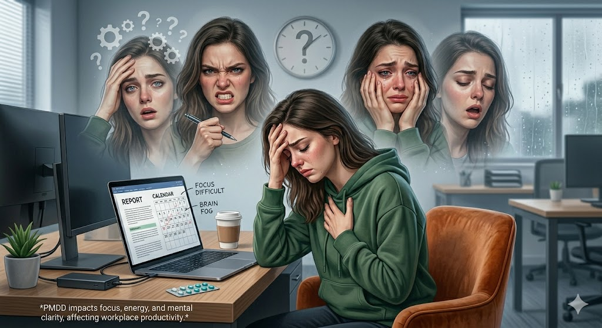
● Reduced productivity
● Lack of motivation
The severity of these PMDD signs typically disturbs operating, relationships and mental health.
How PMDD Affects Daily Life
So many people don’t know how serious PMDD can get. Severe PMDD mood swings may be so all-consuming they affect every area of life, including:
Relationships
You are informed till October 2023 where she can get easily angry, irritated and emotionally distant to only clash with family members or partners.
Work Performance
It can impair the productivity and decision-making ability of people due to symptoms such as difficulty concentrating, emotional exhaustion, and anxiety.
Mental Health
Untreated, PMDD can have a propensity for sadness, intense anxiety and emotional fatigue.
Self-Esteem
Women experience emotional breakdowns every month and may feel guilty, ashamed or confused by their own emotions.
It is why professional mental health support becomes vital.
Importance of PMDD Diagnosis
Receiving an accurate PMDD diagnosis is crucial because many women are misdiagnosed as having “normal PMS,” or simply being emotionally weak.
A professional psychiatrist evaluates:
● Timing of symptoms
● Emotional patterns
● Severity of symptoms
● Menstrual cycle history
● Impact on daily life
● Associated anxiety or depression
The PMDD diagnosis typically involves tracking symptoms over the course of two or more menstrual cycles.
Dr. Amulya Shetty’s Clinic, you can get the best mental health treatment for mood disorders and women mental health emotional balance and anxiety at the Dr. Amulya Shetty Clinic is considered one of the top psychiatry in Mumbai for following an evidence-based patient-centered approach.
How to Deal with PMDD Mood Swings
The even better news: bad PMDD mood swings are highly treatable when treated appropriately.
1. Psychiatric Evaluation
An adequate psychiatric assessment reveals emotional triggers, anxiety cycles and hormonal signals that lead to mood activation.
2. Therapy
This can be done with therapies like Cognitive Behaviour Therapy.
● Manage emotional reactions
● Improve stress response
● Reduce anxiety
● Build emotional coping skills
● Improve self-awareness
3. Medication
Sometimes, medications can help prevent mood swings and ease other symptoms of PMDD.
4. Lifestyle Changes
Lifestyle support may include:
Better sleep routines
Regular exercise
Stress management
Reduced caffeine intake
Mindfulness practices
5. Emotional Support
Women with PMDD often feel isolated. Having your feelings validated and your skills to cope in real life adapted is the difference between recovery or stagnation.
When Should You Seek Help?
When you need to seek for professional backing:
● Your mood swings are every month at their worst
● Emotional symptoms affect relationships
● You experience severe hormonal anxiety
● Daily functioning becomes difficult
● You are emotionally out of control
● Depression or panic symptoms increase
When you ignore the severity of PMDD mood swings, emotional distress can worsen over time.
Final Thoughts
PMDD mood swings can be among the worst of moods, felt emotionally as a low or also sometimes even painfully alone in light of pulling away from what it might otherwise help us feel better, but PMDD mood swings are often helped with good help. Hormonal changes, serotonin sensitivity and emotional instability and hormonal anxiety are all responsible for the level of emotional intensity experienced in periods before menstruation.
Identifying early signs that PMDD is starting and getting accurately diagnosed for PMDD can put women back in charge of their emotions and relieve the struggle with poor mental health. However, with the proper guidance, therapy, and treatment assistance, women can better deal with PMDD while living emotionally stable lives.
If you or someone you know is experiencing emotional turmoil before periods, book an appointment with a specialist mental health professional such as Dr. Amulya Shetty one of the best psychiatry in mumbai for the treatment to heal and get your emotions under control.