

Aging can mean meaningful experiences, family ties and new chapters in life. But that experience can also have challenges too hard to discuss. Emotional well-being can be impacted by retirement, loss of independence, chronic health issues, bereavement, isolation and loneliness, worries about money/debts/pensions/health care for either self or others and changes in family relationships.
One that needs special mention is: «I do not want to be burden»
This should not just be ignored as sadness or frustration when an elderly person keeps saying it. Sometimes it signals serious emotional turmoil, and in older persons, can be linked to risk for suicide. Such signs can come early – spotting them gets families the professional help they need earlier on.
The Risks for Suicide in Seniors
Suicide risk emerges in older people for several inter-related reasons. Older adults may experience many losses or changes at once as compared to younger individuals. You might lose a spouse, retire from your job after decades of service, develop mobility issues, live with debilitating chronic pain and more than likely become reliant on family members.
These changes can have an impact on their sense of purpose and autonomy.
Also, having depression is also another key point. Depression is one of the well known problems in elderly which is not always expressed as evident sadness. Others may have primarily fatigue, changes with sleep or appetite and loss of interest or pleasure in things they used to enjoy.
If emotional distress is masked as physical or lifestyle concerns, recognising risk of suicide in older adults becomes especially crucial.
Why “I Am a Burden” Should Never Be Ignored
Family members might dismiss older people saying: “My family would be better off without me”, “I’m just causing problems” or “There is no point any more,” as simply expressing frustration.
Yet the signs that would suggest someone is thinking about suicide for instance feelings of being a burden, hopelessness, no reason to live or unbearable emotional or physical pain – are well known.
That does not mean that all statements automatically imply suicidal intent. That does mean the statement is deserving of a conversation in a calm manner.
Instead of shutting it down with, “Don’t say that!
● Why do you think you are a burden?
● “Do you feel hopeless these days?
● Do you feel like life is no longer worth living?
● “Have you ever thought of hurting yourself?
You will not make someone suicidal (ie: asking someone about suicides) Or it might be just the opening for someone who has been holding back a voice.
Learn about the main issues and factors involved in suicides amongst older adults.
Older adult suicide risk is not explained by a single event There are several factors that can lead to vulnerabilities:
Loss of a spouse or loved one
If the person has been with their partner for decades, bereavement can cause deep loneliness.
Social isolation
However, minimal social interaction gradually cut back emotional support. An elderly individual who lives alone or whose only interaction with friends and family goes through the phone may start to isolate themselves more.
Chronic illness and pain
Independence and quality of life can be affected by long-term medical conditions, disability or limited mobility, or chronic pain.
Depression and anxiety
This isolation can then lead to hopelessness, helplessness, and withdrawal, which are also reinforced for many by untreated depression and anxiety.
Loss of independence
When someone needs help in finance, mobility, medicines and other personal care or daily activities sometimes that person finds himself as he has no control over his life anymore.
Financial or family concerns
If family conflicts are ongoing or financial security is scarce, for example, the guilt and sense of helplessness may become greater still, particularly if there is worry about being a burden on children.
And these factors do not equate to someone will committing suicide. When a number of them happen in combination however, they can raise interpersonal sensitivity.
What Warning Signs Families Should Look Out For
Suicide risk among the elderly is more than just listening to words; it means watching for behaviour changes as well.
● Warning signs can include:
● References to death or suicide
● Saying they are a burden
● Feelings of hopelessness or having no reason to live
● Teenagers will start to withdraw suddenly from family and friends.
● Loss of interest in hobbies and routines
● Giving away meaningful possessions
● Strange — or worse — had occurred to them that they would never be able to forget
● Major shifts in sleep or appetite
● Increased anxiety, agitation, or irritability
● Neglecting personal care or medications
● Discussing extreme physical or emotional distress
● Changes in mood or behaviour that are unusual or sudden
Do not wait to be assessed by a professional if these behaviours are new, worsening or occurring simultaneously.
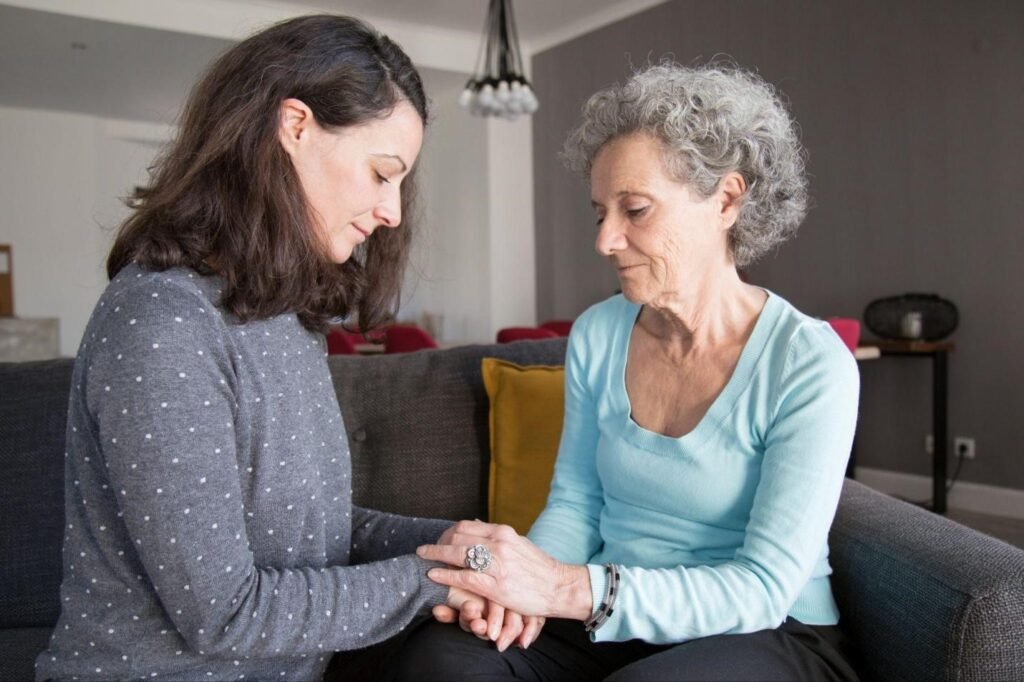
Connection Is the Key to Suicide Prevention in Older Adults
Older adults are less likely to commit suicide if they realize that its effective prevention is not just recognizing warning signs. This is also about helping older people feel valued, heard, and attached.
Family members need to make decisions in conjunction with the person, and not automatically for someone. Encourage your loved one to engage in purposeful activities, socialize with family and friends, find time for hobbies, exercise as permitted by a doctor and spend time with those trusted individuals.
Above all, shun the idea of normalising emotional problems as an ineluctable part of growing old.
Statements of the kind, such as — “This is how everyone feels after retirement” or “This is just a result of aging; grow older before you know it!
In older adults, it is also important to take mental illness seriously in the context of suicide prevention, especially if there are signs of depression, anxiety or grief, new behaviours associated with dementia or chronic stress.
When Immediate Help Is Needed
If you hear an older adult expressing a desire to die, has developed a specific suicide method and means to carry it out, or if they are at immediate risk of harm—they should not be left alone. Go to your nearest medical emergency or urgent care.
India is not a country mentioned in the project but Tele-MANAS provides 24/7 mental health support by 14416 or 1800-89-14416. The service is facilitated by the Government of India’s National Tele Mental Health Programme.
Do keep in mind that older adult suicide prevention must be more than waiting until there is a crisis. Recognising changes, listening without prejudice and opening the door to professional support.
Final Thoughts
Nobody should have to be unwanted, unsupported or alone as they grow older.
To say, I don’t want to be a burden are cries of pain that cannot go unheard. In older adults, risk of suicide may relate to depression, loneliness, grief and loss due to declining physical health status or loss of independence or other psychosocial complications which can often be alleviated through professional intervention.
Suicide prevention in older adults starts with families fostering open dialogue and acknowledging that mental health needs to be treated just as seriously as physical health.
If you are worried about an elderly parent, spouse, relative or partner then speaking to an expert mental health professional may be a good first move.
Experience exceptional and private psychiatric care in a safe, non-judgmental environment from people recognised to provide the best psychiatry in Mumbai Dr. Amulya Shetty. The clinic emphasizes patient history, potential drivers of abortion and implementation of care.
Sometimes, just making someone aware of the fact that they are not a burden can be the first step towards getting them help.